
The Allure of the Casino Environment
The casino environment is meticulously crafted to captivate and engage gamblers. From the moment one steps through the doors, they are greeted by a dazzling array of lights, sounds, and aromas that create an immersive atmosphere. The strategic placement of high-stakes tables and fast withdrawal casino uk slot machines is designed to entice newcomers and seasoned players alike. This sensory overload serves to heighten anticipation, drawing individuals into a space where they are encouraged to momentarily escape the rigors of daily life and indulge in the thrill of the game.
Moreover, this environment is not just about the physical elements; it plays a significant psychological role in enhancing social interactions. Casinos provide a lively backdrop where people can gather, share laughter, and forge connections over the excitement of gaming. This communal aspect can be especially appealing to those who may feel lonely or disconnected in their everyday lives. In this context, the casino evolves into a social hub, fostering a sense of belonging that can be incredibly powerful and reinforcing the urge to participate in gambling activities.
The neurochemical response triggered by this environment cannot be overlooked. The combination of bright lights, upbeat music, and social interaction stimulates the release of dopamine, a neurotransmitter strongly associated with pleasure and reward. This reaction reinforces gambling behavior, creating a cycle where individuals find themselves returning to the casino for that exhilarating experience. Over time, this can lead to habitual gambling, as the casino’s atmosphere becomes intricately linked to feelings of excitement and reward.
The Role of Cognitive Bias in Gambling
Cognitive biases play a pivotal role in shaping gambling behavior, often leading individuals to engage in irrational decision-making. One prevalent bias is the illusion of control, where gamblers overestimate their ability to influence the outcomes of games that are primarily based on chance. For example, a player might believe that their choice of betting strategy in poker can affect the dealer’s hand, despite the fact that the game is governed by probability. This misplaced confidence can increase the frequency of gambling as individuals chase the thrill of perceived control.
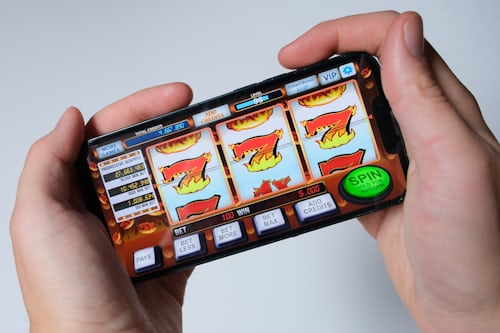
Another common cognitive bias is the gambler’s fallacy, which leads players to believe that previous outcomes can affect future results. For instance, someone might continue playing a slot machine, convinced that a payout is “due” after a series of losses. This distorted thinking can perpetuate gambling behavior, as players cling to the hope of a win, often leading to extended gambling sessions that may not be in their best interest. Such biases can trap individuals in a cycle of excessive play, making it difficult to recognize the need for moderation.
Understanding these cognitive biases is essential not only for gamblers but also for those who wish to support them. By fostering awareness of these flawed thought patterns, individuals can make more informed choices regarding their gambling activities. This knowledge empowers players to step back when necessary, reducing the risk of developing problematic gambling behaviors and promoting a healthier relationship with gambling as a whole.
The Impact of Emotions and Mood on Gambling Behavior
Emotions significantly influence gambling behavior, with various feelings driving individuals to make specific choices at the gaming tables. Many people turn to gambling as a means of escaping negative emotions such as stress, anxiety, or sadness. The excitement and adrenaline associated with gambling can provide a brief respite from life’s pressures, creating a cycle where individuals increasingly rely on this form of escapism. This reliance can lead to problematic gambling habits as the individual seeks to recreate that euphoric feeling, often ignoring the potential consequences.
Conversely, positive emotions can also spur gambling behavior. Celebrating a personal victory or feeling particularly optimistic can lead individuals to take more risks, believing that their good luck will translate into gambling success. This state of euphoria can cloud judgment, resulting in decisions that may not align with their usual gambling habits. The interplay between mood and gambling highlights the critical need for individuals to develop emotional regulation skills to maintain healthy gambling practices.
Recognizing the connection between emotions and gambling is vital in addressing potential risks. Individuals who are aware of their emotional triggers can make more conscious decisions about when and how much to gamble. By fostering emotional intelligence and self-awareness, players can build resilience against the temptations presented by enticing gambling environments, ultimately promoting more responsible gambling behaviors.
The Social Dimensions of Gambling
While gambling is often perceived as a solitary pursuit, it inherently possesses significant social dimensions that shape individuals’ experiences. Many players find enjoyment in the communal aspects of gambling, whether in brick-and-mortar casinos or online gaming platforms. The shared experience of risk-taking and the thrill of winning or losing can create bonds among participants, reinforcing the idea that gambling is as much about social connection as it is about the games themselves. This social context can amplify the frequency and intensity of gambling behavior, as individuals seek to engage with their peers.

Casinos frequently host events and promotions to foster group participation, blending competition with social interaction. These gatherings offer an opportunity for friends and family to connect, enhancing the overall appeal of gaming experiences. However, social influences can also lead to peer pressure, compelling individuals to participate in gambling activities to fit in with their social circles. This dynamic can further entrench gambling behaviors, making it essential to understand the social context in which gambling occurs.
The rise of online gambling platforms has transformed these social dimensions, allowing players to interact through chat functions and live dealer games. This evolution creates virtual communities where individuals can engage with one another, solidifying connections that may encourage continued gambling behavior. While these online interactions can enhance social engagement, they may also lead to deeper entrenchment in gambling lifestyles, emphasizing the importance of recognizing the broader social implications of gambling behavior.
Understanding Responsible Gambling and Resources
As awareness of gambling’s psychological aspects increases, responsible gambling initiatives have gained prominence. These programs aim to educate individuals about the risks associated with gambling while promoting healthy habits. Awareness campaigns often focus on the significance of setting limits, recognizing warning signs, and knowing when to seek help. By enhancing understanding of gambling psychology, these initiatives empower individuals to make more informed decisions about their gambling practices.
Numerous resources are available for those who may be struggling with gambling-related issues. Support groups, hotlines, and counseling services provide vital assistance and community support for individuals seeking guidance. Organizations dedicated to responsible gambling work tirelessly to offer accessible information and resources, encouraging individuals to reach out when needed. Recognizing the signs of problematic gambling is a crucial step toward recovery, enabling individuals to cultivate healthier gambling habits.
Understanding the principles behind responsible gambling can have far-reaching effects on both individuals and society. By fostering open discussions about gambling behaviors and their psychological underpinnings, communities can collaborate to create safer gambling environments. This collective effort can lead to more informed individuals and reduced rates of gambling-related harm, ultimately fostering a culture that values responsible play and promotes psychological well-being.